Books can play a big role in helping you and your child with Autism. You’ll find books can be a good way to connect with your children as they learn to share, make eye contact and it enhances their speech while reading one with their parents.
Here is a list of specially curated books related to Autism available on Kindle, Pdf version and paperback.
We would love to get recommendations from you on any useful books for children with Autism that are not in this list. You could write to us at contact@autismconnect.com
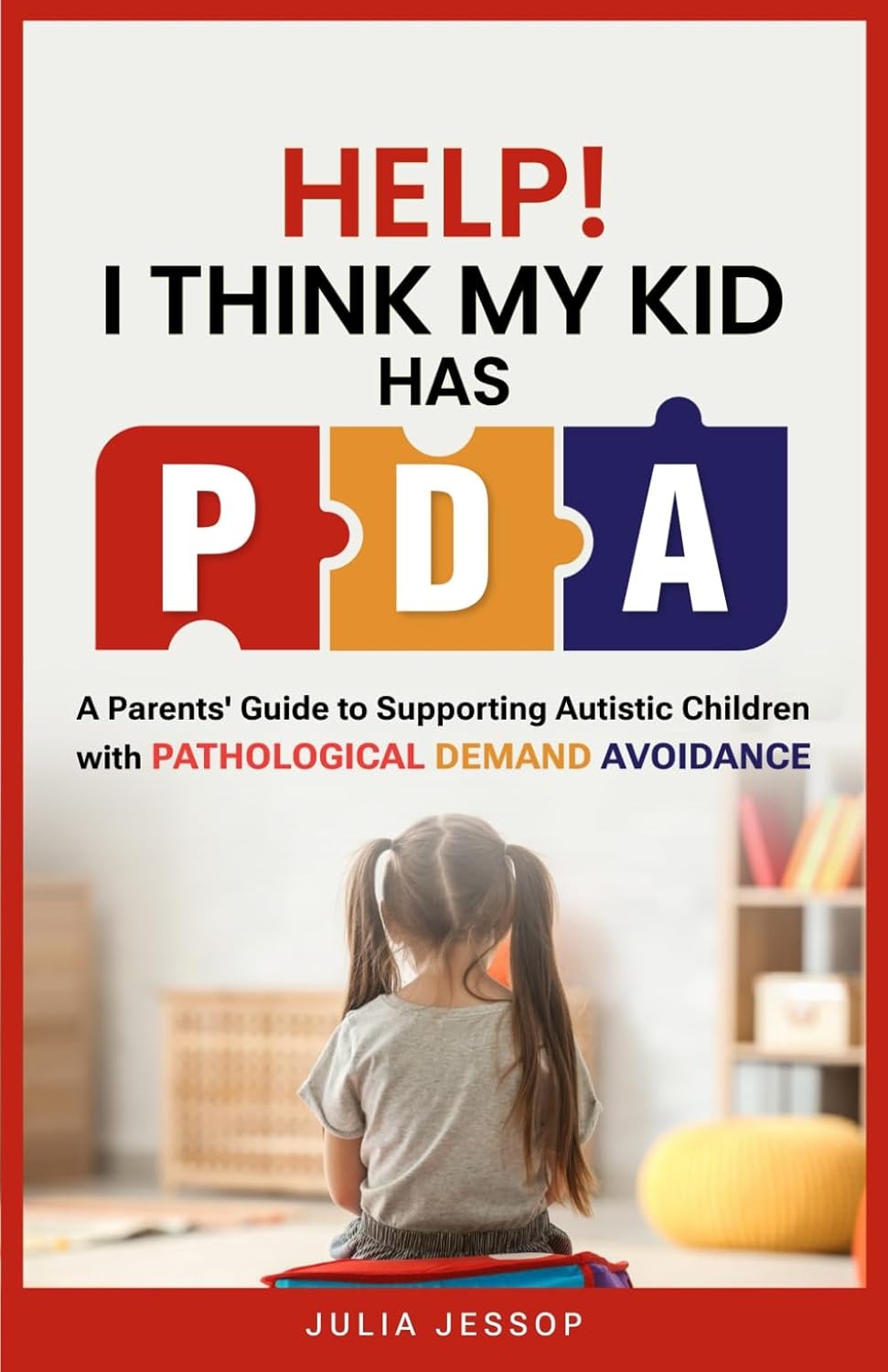
A Study Skills Survival Guide for Neurodivergent Learners: A Pick n Mix of Study Skills Strategies for ADHD, Autistic, Dyslexic and Dyspraxic Learners
A Study Skills Survival Guide for Neurodivergent Learners: A Pick n Mix of Study Skills Strategies for ADHD, Autistic, Dyslexic and Dyspraxic Learners

 Kindle
 18 September 2025
 Paid for Kindle
 English

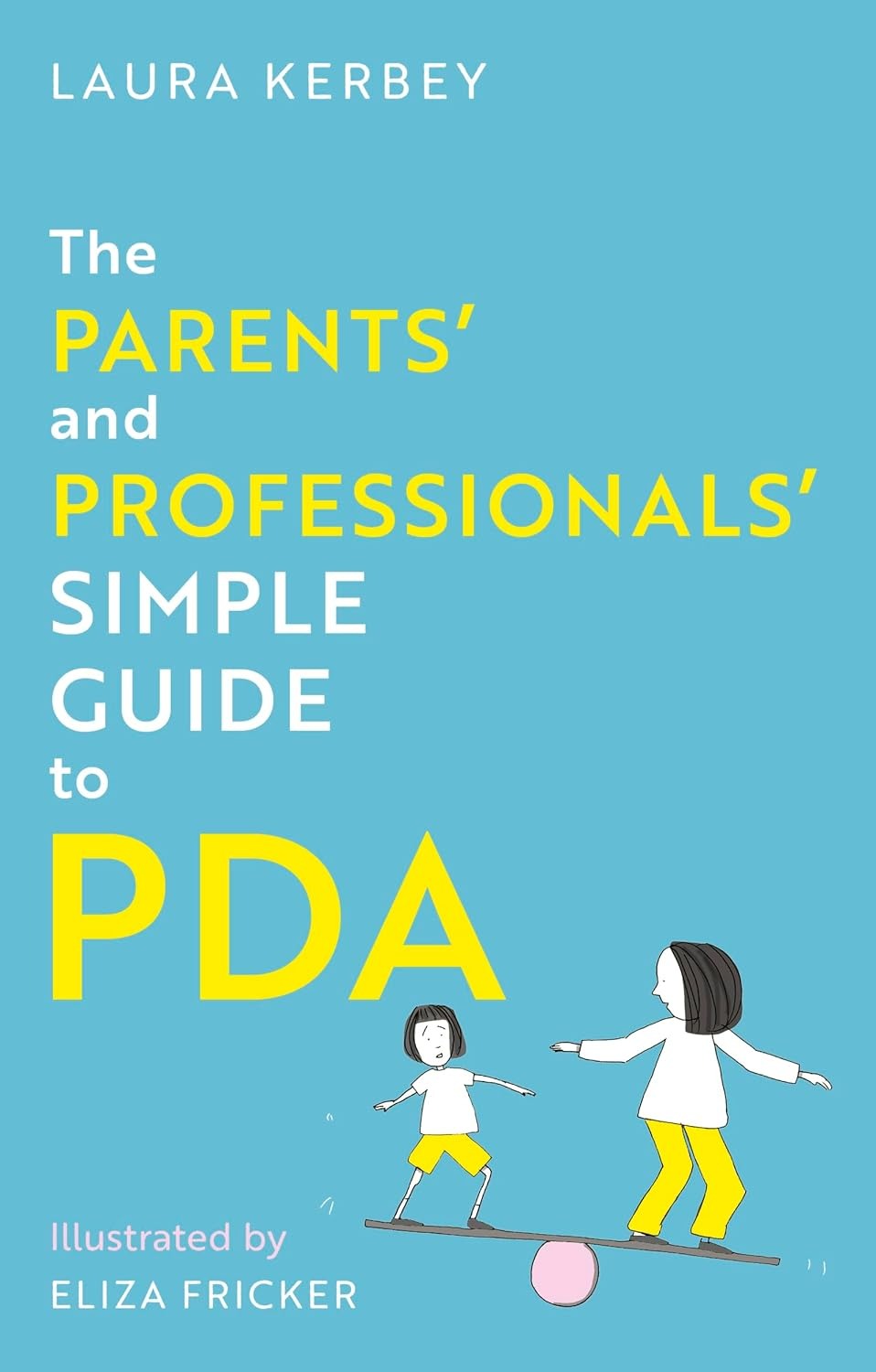
The Parents’ and Professionals’ Simple Guide to PDA
Including explanations of the basics of PDA and how it can present, as well as straightforward advice on how best to meet the needs of the PDA child and their family, this is the go-to guide for anyone who wants to get a clear overview of PDA and how to provide high-quality support.
Kindle
Paperback
18 September 2025
Paid for Kindle
Paid for Paperback
English
Eat, Drink, Be Autistic and Merry
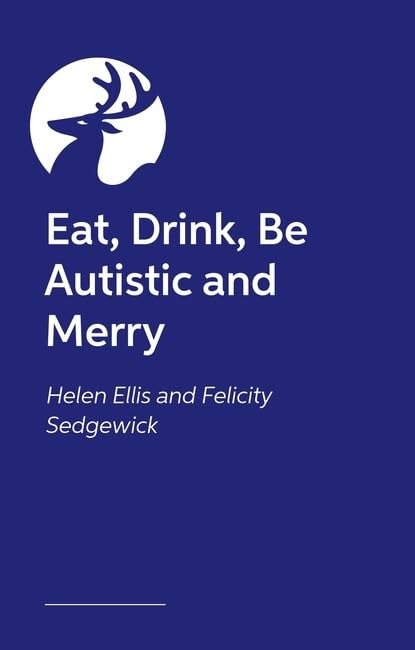
A Girl's Guide to Growing Up on the Autism Spectrum
Adolescence is an especially challenging time for all people on the autism spectrum, and girls face an entirely different set of issues to boys. Written specifically for female teens and pre-teens on the autism spectrum, this book provides practical information, tips and strategies for teenage girls across a wide range of topics. A bright, successful young woman with AS and a clinical psychologist write together to provide insight and suggestions for young girls, making this book the complete guide to having a happy, healthy adolescence as an autistic female. It's packed with real-life examples of the trials and tribulations teenage girls have to face, and each is accompanied by helpful and constructive solutions to overcoming difficulties and coming to terms with growing up on the spectrum. Issues such as puberty and growing up, building friendships and relationships, self-esteem and self-determination, mental health, and planning for the future are all covered, and the information pr

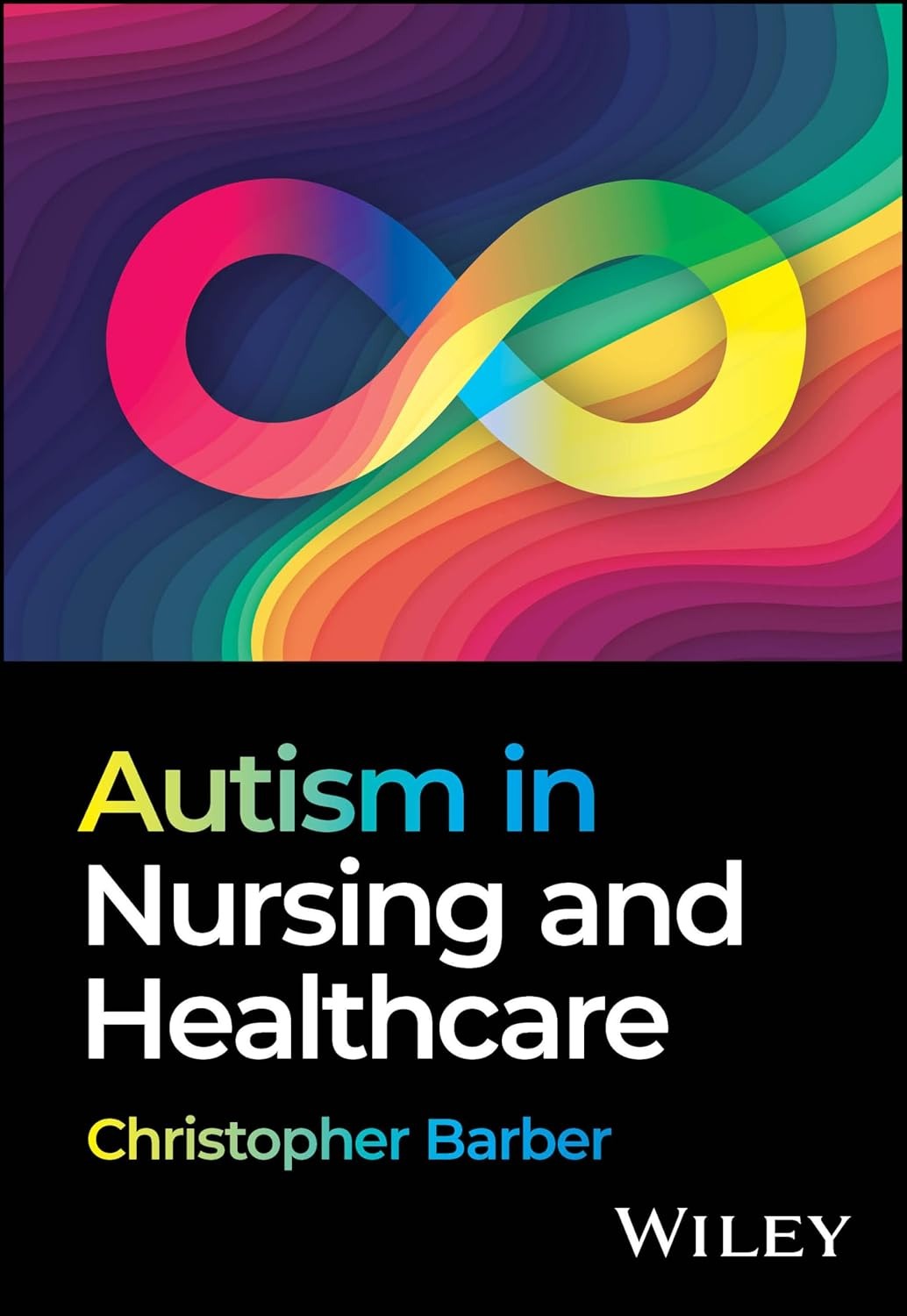
Autism in Nursing and Healthcare
Autism is a condition that directly affects as many as 2 million people in the United Kingdom, a figure which does not include family members and other loved
Paperback
21 August 2025
Paid for Paperback
English
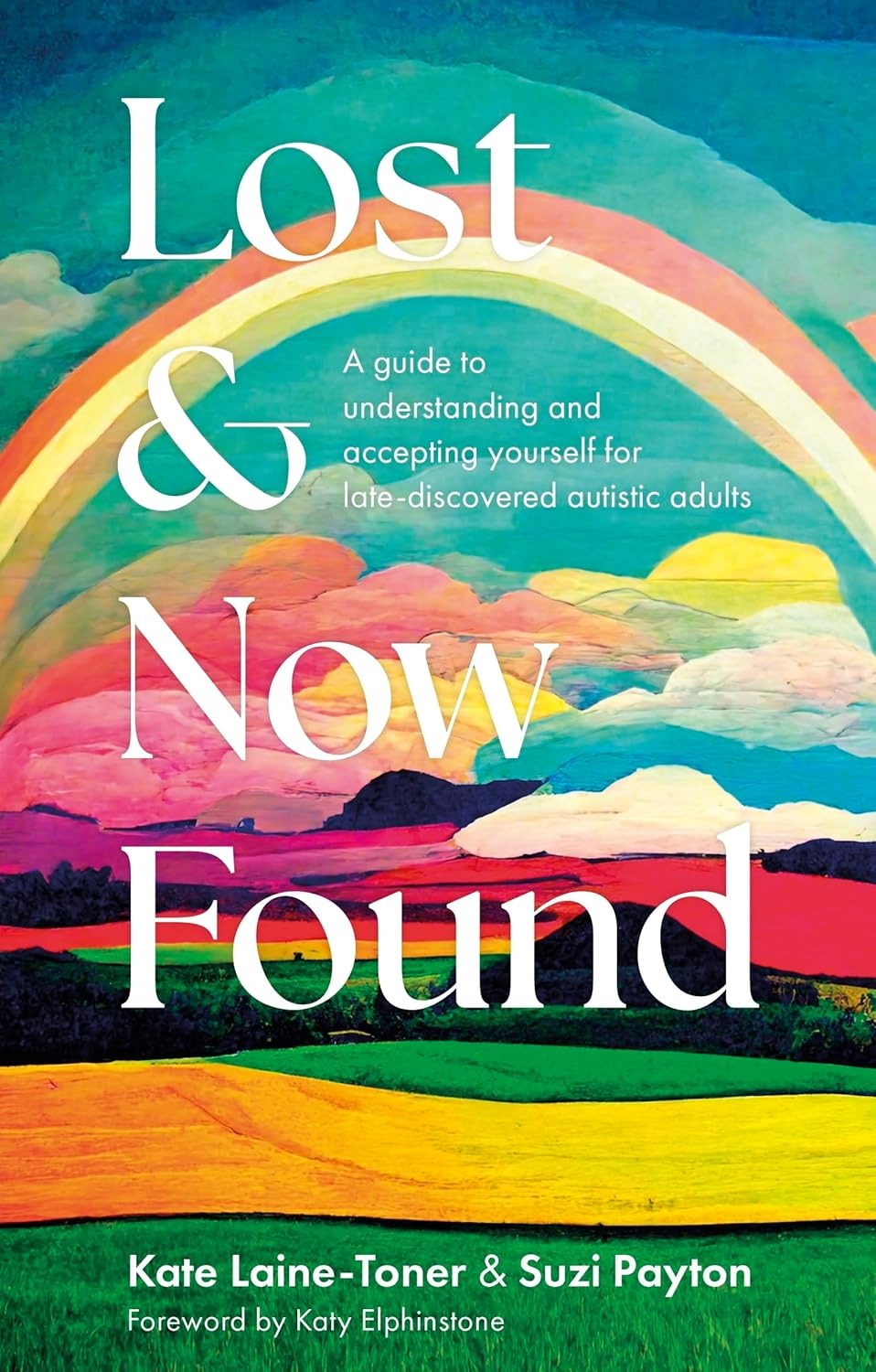
Lost and Now Found: A guide to understanding and accepting yourself for late-discovered autistic adults
If you are feeling lost, this is the book for you. Featuring deeply personal stories from the authors and other autistic people in their thirties, forties, fifties and beyond, you will be supported to explore your autistic identity and to learn how to build a 'life hand-picked' for your unique needs.
Kindle
Paperback
21 August 2025
Paid for Kindle
Paid for Paperback
English
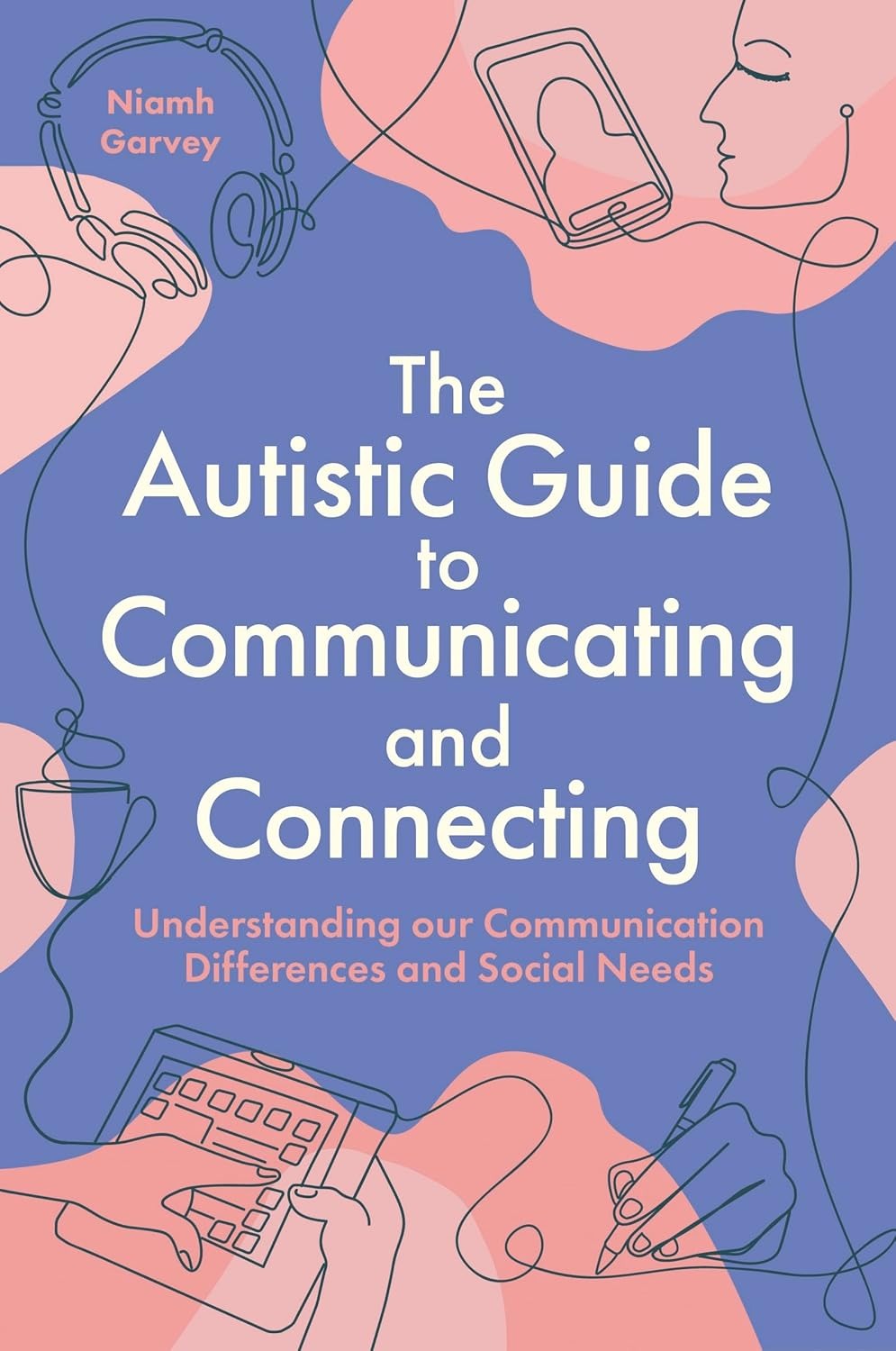
The Autistic Guide to Communicating and Connecting: Understanding our communication differences and social needs
Autistic people communicate differently to non-autistic people, but that does not equate to communicating wrong"." Written by autistic author Niamh Garvey, this book combines up-to-date research and lived experience perspectives to create the ultimate guide to supporting your autistic social self in hectic, everyday life. Split into three parts that cover communication, socialising and strategies for specific social situations, this book covers everything you need to understand your communication style and helps you to explore your own social comfort zone, which looks different for everyone! This guide is supportive, affirming and packed full of strategies on how you can support yourself and manage daily social situations, from restaurants to interviews.
Kindle
Paperback
21 August 2025
Paid for Kindle
Paid for Paperback
English
Counter-cartographies: Neurodivergence and the Errancies of Performance
What if we embraced neurodivergent ways of being not as deviations to be corrected but as vital ways of inhabiting the world? What new realities might emerge? Bringing a much-needed humanistic perspective to the study of autism and other forms of neurodivergence, Counter-cartographies offers a bold reimagining of neurological difference, moving beyond rigid diagnostic frameworks to uncover more expansive, generative modes of existence.

Kindle
Paperback
19 August 2025
Paid for Kindle
Paid for Paperback
English
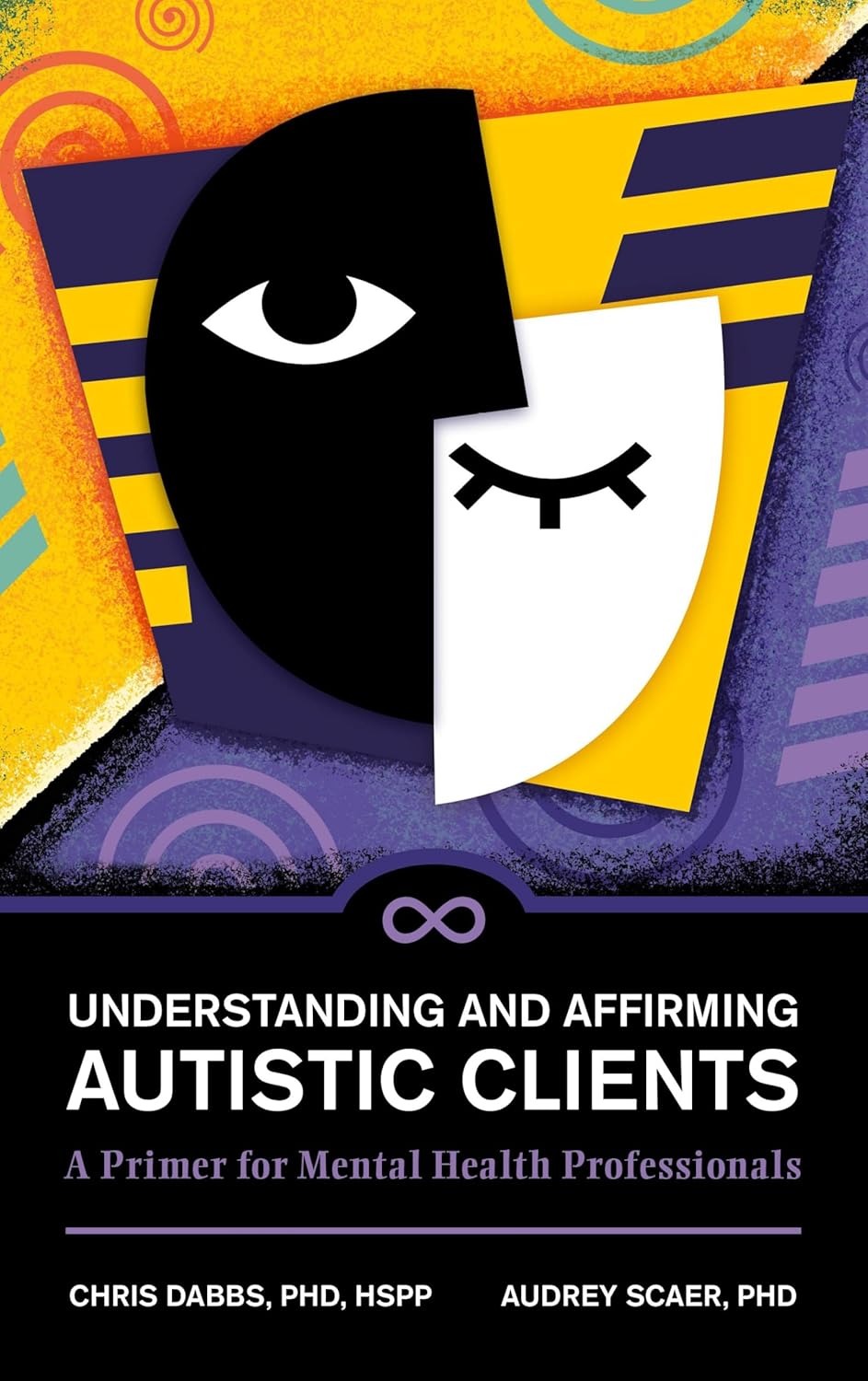
Understanding and Affirming Autistic Clients: A Primer for Mental Health Professionals
This book is an accessible primer focused on the provision of neuro-affirming clinical care for autistic clients, written from the perspective of autistic clinicians. In eight chapters, this book provides actionable steps without the assumption of expert autism knowledge. It first builds foundational knowledge for understanding what autism is and how to talk about it using current language practices. This book then explains how to recognize and assess for autism, alongside overviewing co-occurring mental health concerns among this population. This book also includes strategies for effective communication and interventions with autistic individuals, supporting autistic individuals day-to-day, and maintaining ethical clinical practices. Broadening beyond individual clients, this book additionally outlines strategies for supporting families and caregivers of autistic individuals, with an emphasis on the importance of understanding the impact that autism may have on family dynamics. This b
Paperback
7 August 2025
Paid for Paperback
English
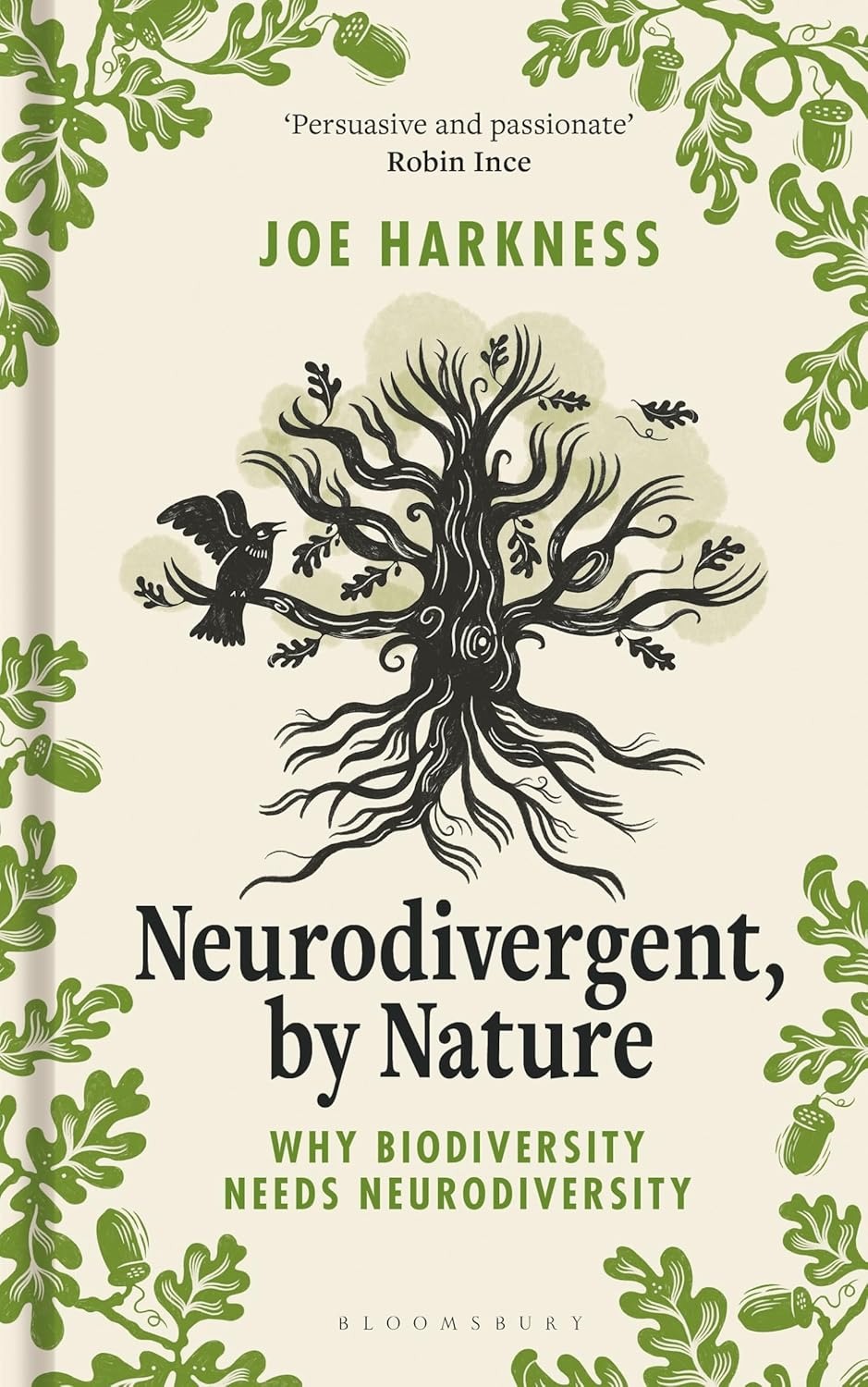
Neurodivergent, By Nature: Why Biodiversity Needs Neurodiversity
Time in nature supports our well-being. For people who are neurodivergent, it can also stimulate our senses, feed our curiosity and help us find others who share our deep passions. But why do natural environments have such profound effects? If children with autism, ADHD and other neurodivergences spend more time outdoors, could it improve their educational experiences and outcomes? And if they nurture nature connections into adulthood, could this form the roots of their identities?